
Civil Lawyers in Chandigarh for Property, Recovery, and Injunction Cases: Legal Guide
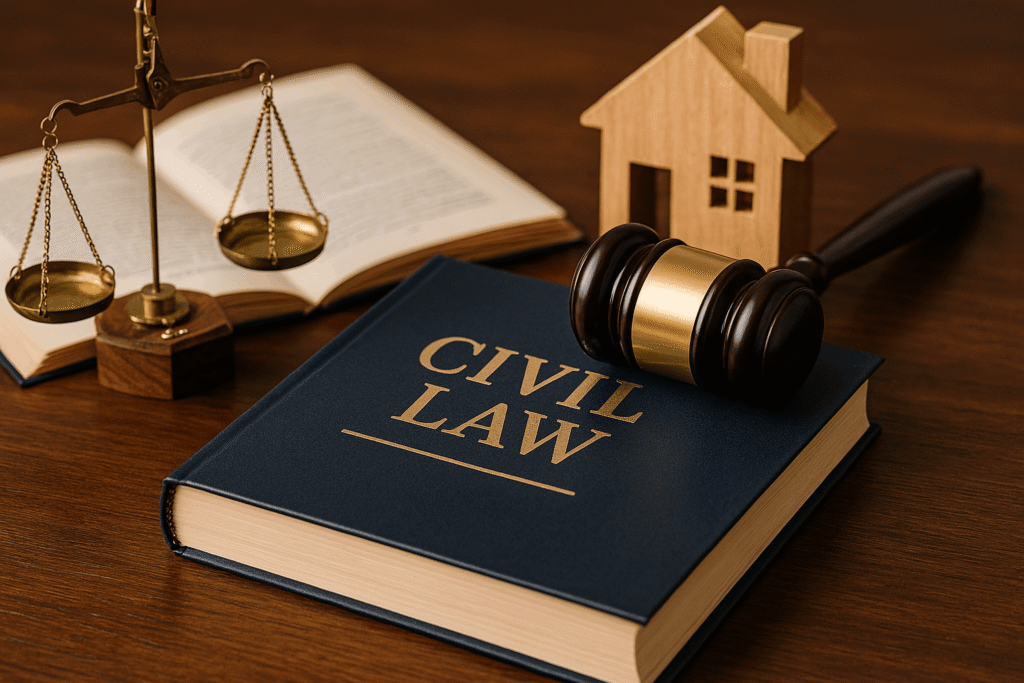
Civil disputes are a common part of modern legal systems and affect individuals, families, and businesses alike. Matters relating to property ownership, recovery of money, contractual disagreements, and court orders to prevent unlawful actions often require formal legal intervention. In a growing urban region like Chandigarh, where real estate transactions and commercial activities are increasing, awareness of civil law processes has become essential. Understanding the legal framework and procedural safeguards helps individuals protect their rights effectively. Many people consult Chandigarh Civil Lawyers to understand remedies available under Indian civil law.
Statutory Framework Under Indian Law
Civil litigation in India operates under a structured statutory system.
Code of Civil Procedure, 1908
The Code of Civil Procedure (CPC) governs the procedure for filing and conducting civil suits, execution of decrees, and interim relief such as injunctions.
External Source:
https://legislative.gov.in/sites/default/files/A1908-05.pdf
Specific Relief Act, 1963
This Act deals with:
-
Temporary and permanent injunctions
-
Specific performance of contracts
-
Declaratory relief
External Source:
https://legislative.gov.in/sites/default/files/A1963-47.pdf
Indian Contract Act, 1872
Relevant for recovery of money and contractual disputes.
External Source:
https://legislative.gov.in/sites/default/files/A1872-09.pdf
Limitation Act, 1963
Prescribes time limits for filing civil suits, such as:
-
3 years for recovery of money
-
12 years for possession of immovable property
External Source:
https://legislative.gov.in/sites/default/files/A1963-36.pdf
Article 300A of the Constitution protects the legal right to property.
Constitution of India:
https://legislative.gov.in/sites/default/files/COI.pdf
Procedural Aspects and Legal Mechanisms
Civil litigation generally involves the following steps:
-
Legal notice (in recovery or contractual disputes)
-
Filing of plaint before the competent court
-
Issue of summons
-
Written statement by defendant
-
Framing of issues
-
Evidence and witness examination
-
Final arguments and judgment
-
Execution of decree
The e-Courts system allows litigants to check case status and court details online:
https://ecourts.gov.in/
For many litigants, procedural compliance and documentation are handled with the assistance of Chandigarh Civil Lawyers.
Injunctions Under Indian Law
Temporary injunctions are governed by Order XXXIX of CPC, granted when:
-
A prima facie case exists
-
Balance of convenience is in favor of the applicant
-
Irreparable injury may occur
Permanent injunctions are granted under the Specific Relief Act to restrain unlawful acts such as trespass or illegal construction.
Judicial Interpretation
Important Supreme Court judgments include:
-
Dalpat Kumar v. Prahlad Singh (1992) – Principles for temporary injunction
-
Anathula Sudhakar v. P. Buchi Reddy (2008) – When injunction vs declaration is appropriate
Judgment database (official):
https://main.sci.gov.in/judgments
Practical Implications for Individuals and Businesses
For Property Owners
-
Verify title through land records
-
Check encumbrances
-
Maintain registered documents
Land record portals (state-wise) are available through:
https://dilrmp.gov.in/
For Businesses
-
Maintain written agreements
-
Preserve invoices and payment records
-
Issue legal notices for outstanding dues
Early legal awareness helps avoid prolonged litigation, and many parties consult Chandigarh Civil Lawyers at the initial stage.
Alternative Dispute Resolution (ADR)
Courts increasingly encourage mediation and settlement.
Information on mediation services:
https://nalsa.gov.in/
The Legal Services Authorities Act, 1987 promotes free legal aid for eligible individuals.
Emerging Trends in Civil Litigation
-
E-filing and virtual hearings
-
Commercial Courts for business disputes
-
Digitization of land records
-
Increased use of mediation and Lok Adalats
Lok Adalat information:
https://nalsa.gov.in/lok-adalat
Civil law plays a crucial role in protecting property rights, enforcing contracts, and preventing unlawful interference. Statutes such as the Code of Civil Procedure, Specific Relief Act, and Limitation Act provide structured remedies for property disputes, recovery suits, and injunction matters.
Awareness of legal rights, documentation requirements, and procedural timelines helps individuals and businesses navigate disputes responsibly. Many litigants rely on Chandigarh Civil Lawyers to understand applicable laws and procedural mechanisms. This article is intended for general informational purposes and should not be treated as specific legal advice.